Best Time to Spot the Big Five – A Month by Month Guide
Planning an African safari to spot the Big Five is more than just booking flights and safari lodges. For most tourists, it is about finding the right time to spot the Africa’s legendary Big Five animals – the lion, leopard, elephant, cape buffalo and rhino in their natural habitat.
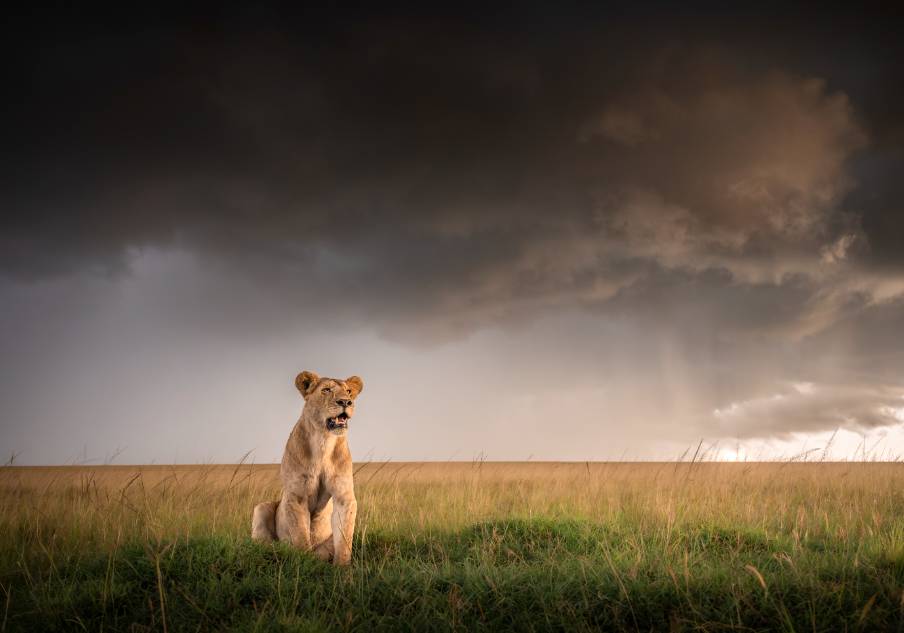
This blog is an ultimate guide offering a guideline on when to see the Big Five in Africa, but why each month is unique. We take you through the seasons month by month, recording the shifting weather, wildlife and landscapes that make Masai Mara National Reserve an excellent year-round destination for safari and spotting the Big Five.
January
In Masai Mara, January is the height of summer. The grasslands are green and short after the rains, creating excellent visibility for spotting predators. Often lions are seen hunting young plains game, while cheetahs and leopards take advantage of the open conditions.
African elephants are plentiful, with bulls in musth shaking fruiting Warburgia trees. Also, it is a fine time for buffaloes, as the lush grasses keep herds close to the Marsh areas. While rhinos remain elusive, January offers good chances of leopard sightings along the forest edges.
If you are after Big Five, newborn calves, or calving season, this is a rewarding month. In January, the Mara is alive with baby impalas, warthogs, and zebra foals, all of which draw in predators and make for dramatic game drives.
February
Warm mornings and golden grass define February in Masai Mara National Reserve, it is a month of abundance, with elephants often giving birth and family herds seen on a stroll in the savannah plains. Lions of the Marsh Pride have playful cubs, while buffalo herds calve in large numbers across the Bila Shaka Plains.
Regularly, leopards are seen poised on tree limbs, and cheetahs are busy training their young to hunt Thomson’s gazelles. Rhinos in Masai Mara remain rare but with fewer visitors in February, encounters feel especially intimate.
For birders, ground hornbills and migratory species add color, making February part of the Big Five safari seasons where both mammals and birdlife thrive.
March
In terms of visitors, March is quieter but rich in wildlife drama. Afternoon rains revive the grass and bring wildflowers into bloom, while the Musiara Marsh fills with water, drawing elephants and buffaloes in great numbers.
Also, this is the time when hippos calve and predators like lions and leopards are seen with cubs. Several kittens and young hyenas add to the abundance of life. For those interested in the Big Five sightings during this season, March offers incredible sightings; lush landscapes, plenty of babies, and rewarding predator action.
April
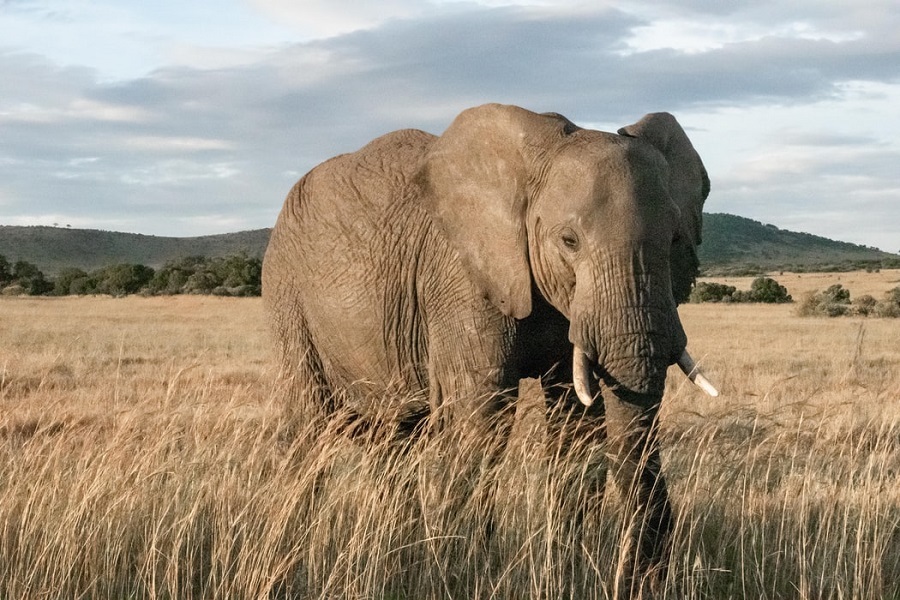
April is part of the long rains in Masai Mara National Reserve. Often showers fall over night, leaving mornings cool, fresh, and perfect for game drives. Elephants thrive on the new grasses, while lions and cheetahs work harder to hunt in the long vegetation cover.
Also, it is the start of mating season for many plains game, which in turn sustains predator populations. Visitors often ask if April is a good time to see the Big Five, and while it is harder work, sightings are intimate, landscapes are vibrant, and the bush feels alive with birds, butterflies and insects. This is the Green Seasons at its most enchanting.
May
In Masai Mara, May offers warm days and long, lush grass across the plains. Lions of the Marsh Pride often have young cubs, and hunting scenes can involve hippos, eland, and buffalo. With cheetahs thriving on the gazelle herds, and leopards still seen in the woodlands, it is an excellent month for predators.
Herds of elephants and buffalo dominate the marshes, with calves at heel. Giraffes with their young are common visitors around safari lodges and camps. This makes May an incredible time for spotting the Big Five month by month travelers, particularly those wanting to see the cycle of new life in the Mara.
June
By June, the rains taper offer and clear skies return. During day, it is warm with starlit skies at night. Elephants gather in impressive herds, and lions stay close to several camps and safari lodges as they hunt warthogs and topi.
Herds of buffaloes are seen in Marsh areas, while leopards and cheetahs continue to deliver excellent sightings. The wildebeest rut season begins late in the month, with males fighting dramatically for territory and females. Often visitors as “Is June a good time to see the Big Five in Masai Mara?” The answer is YES. With so many elephants, big cats and buffalo are on show, June marks the beginning of the best safari months by park experiences.
July
The month of July brings cool days and the grand arrival of the Great Migration. Wildebeest herds arrive into Mara and begin dramatic crossings of the Mara River, facing off with crocodiles, lions, and fast currents. This is the best month to see elephants, buffaloes and lions in Masai Mara.
Lions of the Marsh Pride stay together, cheetahs hunt regularly, and leopards are seen in the riverine forest. Herds of buffaloes swell to 500 strong. For many, this is the best time to see the Big Five, and it is easy to understand why.
August
August is a time for cool mornings and warm afternoons, and the Great Migration is in full swing. Mara River crossings are a daily occurrence, sometimes even being spotted from your camps and lodges.
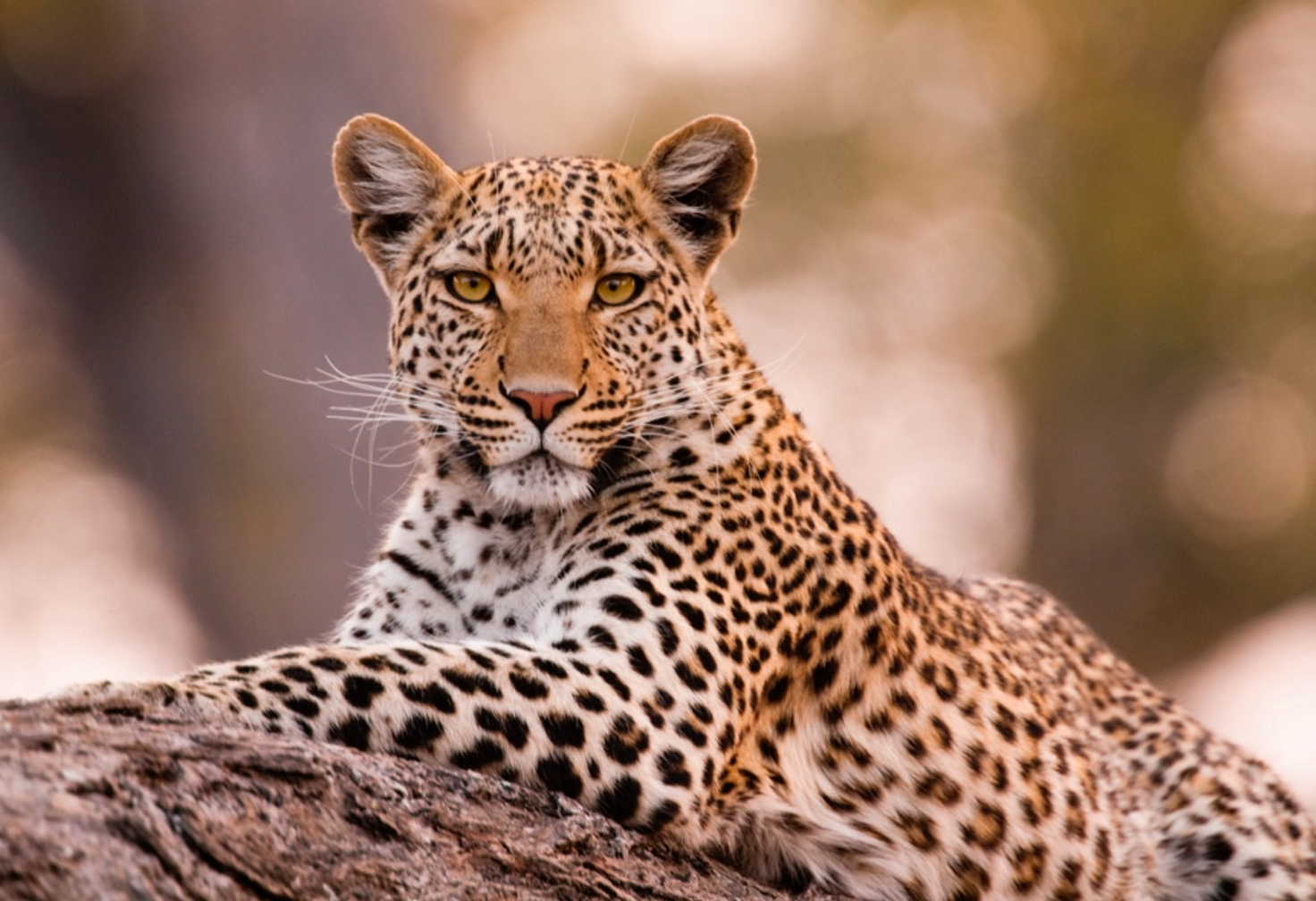
Herds of elephants and buffaloes are in abundant, and predators take advantage of the endless supply of prey. Lions hunt almost every night, leopards prowl in the woodlands, and cheetahs go after the Thomson’s gazelles.
July to October is peak time for a Big Five safari in Kenya, expect dramatic predator – prey drama and a landscape bursting with life.
September
September brings scattered rain showers and colorful wildflowers on the plains. The Great Migration is still very much present in Masai Mara, with wildebeests and zebras covering the grasslands. River crossings still take place, though the crocodiles are by now well fed and less aggressive.
Elephants are frequent sightings, buffalo herds graze in the area around the Marsh, and lions are prime hunting condition. Cheetahs and leopards are stalking, and visitors are sometimes treated to dramatic ambushes along the croton thickets. September is a peak of the African safari calendar of wildlife, and every corner of the Mara is teeming with life.
October
October begins dry and windy, bringing fiery sunsets, before the rains return late in the month. The migration herds are still present but begin moving south, meaning daily crossings are possible well into October.
For predators, this is an excellent month, lions hunt wildebeests, impala, and warthogs calves. Cheetahs thrive on newborn antelopes, and leopards find plenty of prey. Elephants are seen feeding on fruiting Warburgia trees. With shorter grasses, small species like several cats and bat-eared foxed are more visible, adding variety to your drives.
October balances the spectacle of Great Migration with the intimacy of the green season, making it one of the best times for safari in Africa month by month.
November
November marks the start of hot and dry, before dramatic thunderstorms announcing the short rains. With the return of showers, Masai Mara blooms with flame lilies and fireball lilies, while grasses revive. The wildebeest herds begin their long trek south, but the Mara remains full of life. Elephants switch diets to bark and fruit, buffalo herds thrive, and predators remain active. Also, it is calving season for many wildlife species, adding to the drama. For those weighing up Green Season Vs Dry Season, November offers a little of both, lush green scenery, plenty of prey and fewer vehicles.
December
December is a festive time in Masai Mara. The short rains leave a lush green flush on the grasslands, and scattered showers settle the dust and drop temperatures in the evenings. Again, elephants are abundant, crossing the Mara River by day, and buffalo and giraffe herds are frequent.
Lions feed on warthogs and antelopes, leopards are still firm in the forests, and cheetahs still do well on the plains. With impalas rutting noisily, warthogs defending their burrows, and new borns calves across the plains, December encapsulates the spirit of the Big Five safari animals amidst a lush, festive settings.
Plan Your Safari with Sambu Africa Safari
Truth is, there is no single best safari month in Masai Mara, every month brings a different kind of magic. Whether you are drama of river crossings, the serenity of the green season, or the joy of newborn wildlife, Masai Mara delivers.
Ready to start planning? Get in touch with us today and let’s make your Big Five Safari unforgettable.