World renowned for its massive annual migration of wildebeests and the Big Five
The iconic Serengeti National Park is one of the most renowned wildlife reserves in Africa celebrated for its vast, untouched wilderness and extraordinary biodiversity. There are few places on Earth where you feel the world breathing around you; the Serengeti is one them.
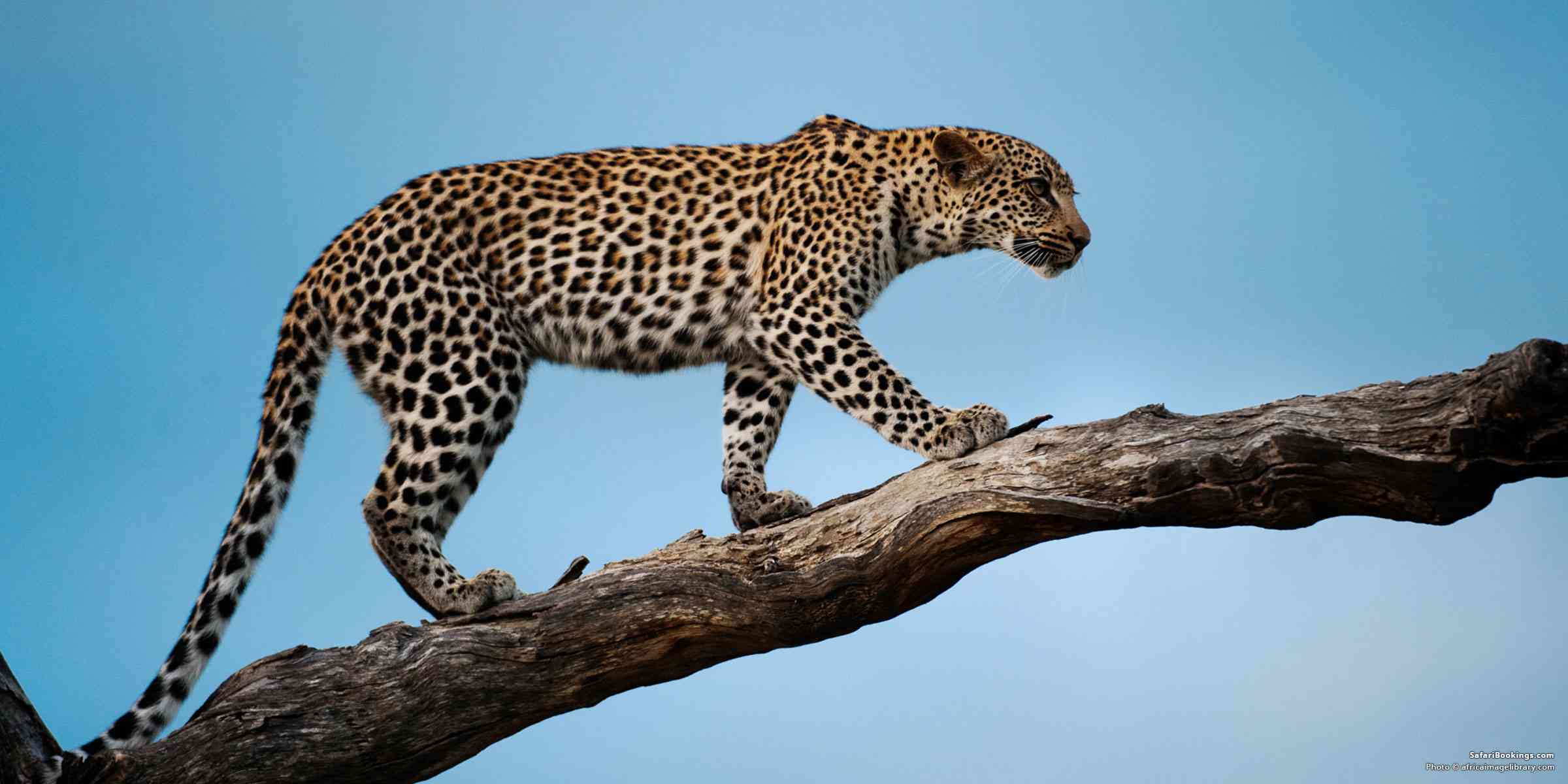
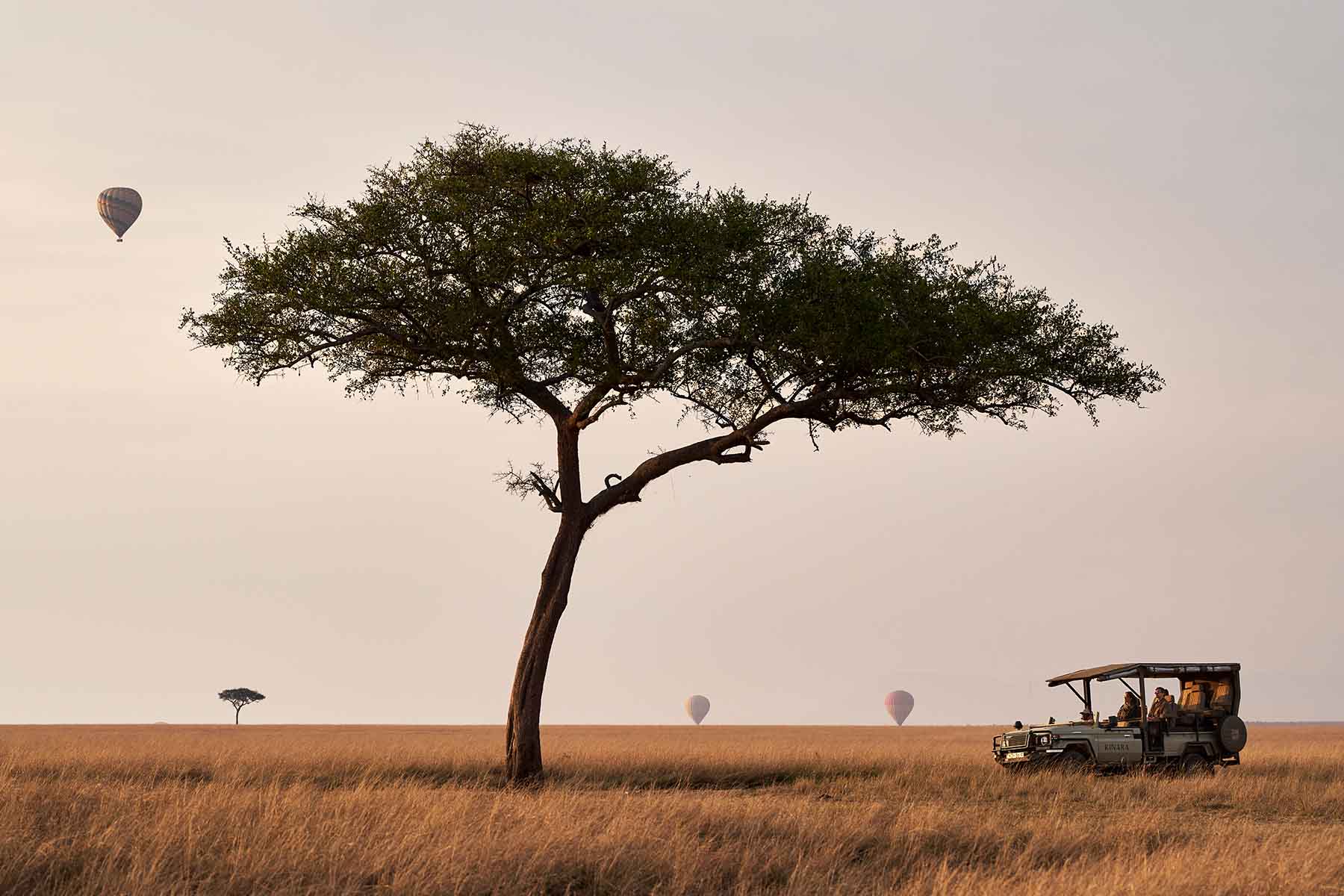
The park’s name comes from the Maasai word “siringeti” meaning “the place where the land runs on forever” and it lives up to every syllable. The endless savannah plains stretch to the horizon, teeming with wildlife and pulsing with the rhythm of hooves and wings. From the thundering drama of the Great Migration to the quiet intensity of a predator’s gaze.
Why Visit Serengeti National Park
- Endless Plains and Incredible Wildlife – The vast and untouched wilderness with some of the best game viewing in Africa.
- Great Migration Drama – The iconic river crossings and sheer scale of the migration make it a bucket-list event for any wildlife enthusiast.
- Varied Landscape and Wildlife – From predator – packed savannah grasslands to lush riverine forests and rocky kopjes, the Serengeti offers various habitats.
- Exclusive & Remote Lodges – Serengeti National Park has a wide range of luxury tented camps and safari lodges providing intimate safari experiences away from the crowds.
- Ideal for Photographers – The stunning golden sunsets, abundant wildlife and dramatic scenery create perfect photographic moments.
Best Time to visit Serengeti National Park
Serengeti National Park is a year – round destination, however the best time to visit depends on what you want to see. Between January and February, the wildebeest can be seen calving in the south of the Serengeti, before they move north cross the Grumeti River and into Kenya by July, combing back into Tanzania in September. This breathtaking spectacle can be enjoy in different regions of the park while staying in luxury mobile camps that move every few months following the migration.
FAQs About Serengeti National Park
Are planning a holiday to Serengeti National Park? Our experts are share advice on everything from what to pack, when to go, to tips for families, covering the frequently asked questions.
What is the Serengeti best known for?
The Serengeti is world – famous for the Great Migration, when over a million wildebeests and hundreds of thousands of zebra move across the plains in search of fresh grazing. Also, it is home to some of the highest concentrations of predators in Africa, making it one of the best places for big cat sightings.
When is the best time to visit the Serengeti?
Serengeti National Park is a year – round destination, but timings depend on what you want to see. The wildebeest calving season is in January and February in the southern Serengeti, while the dramatic river crossings usually happen between July and September in the north.
Wildlife in the Serengeti is always present, but experiences vary by season.
How long should I spend in the Serengeti?
We recommend at least three to four nights to explore different areas of the Serengeti and maximize your wildlife encounters. If your Serengeti safari is centered on the Great Wildebeest Migration, you may want to combine two camps in different regions to follow the herds.
Most travelers combine the Serengeti with Ngorongoro Crater or Tarangire for a richer safari experience.
What types of accommodation are available in the Serengeti?
Accommodation in Serengeti National Park ranges from luxury lodges to mobile tented camps that follow the Great Wildebeest Migration. Mobile camps offer a close to nature experience in prime wildlife areas, while lodges provide more comfort and facilities.
Both styles put you at the heart of the action, often with expert guiding and excellent cuisine.
Is the Serengeti suitable for families?
Yes, many lodges and camps in the Serengeti welcome families, offering family tents, child – friendly activities, and private vehicles. The open landscapes and high wildlife density make it exciting for children, although some mobile camps have age restrictions.
A private Serengeti safari can provide flexibility for families with younger children.
Can I combine a Serengeti safari with other destinations?
Absolutely, the Serengeti is often part of Tanzania’s Northern Circuit, combing easily with Ngorongoro Crater, Tarangire National Park and Lake Manyara National Park. Also, many travelers add a beach stay in Zanzibar, offering the perfect mix of safari and relaxation.
Flights connect the Serengeti with both Arusha and Coastal destinations.
How do I get to the Serengeti?
Most travelers on a Serengeti Safari fly into Kilimanjaro International Airport or Arusha, then take a light aircraft flight directly into the Serengeti or drive there.
Flying saves time and allows you to access remote areas. Alternatively, you can travel overland as part of a longer safari circuit, although distances can be long.
What wildlife can I expect to see in the Serengeti?
The Serengeti National Park is home to the Big Five – lion, leopard, elephant, rhino and buffalo, as well as cheetah, giraffe, hippo and a variety of antelope species. For many travelers, the highlight is the chance to witness predator – prey interactions during the Great Wildebeest Migration.
