Masai Mara National Reserve
Where Wil Beauty and Ancient Culture Meet Beneath Boundless Skies
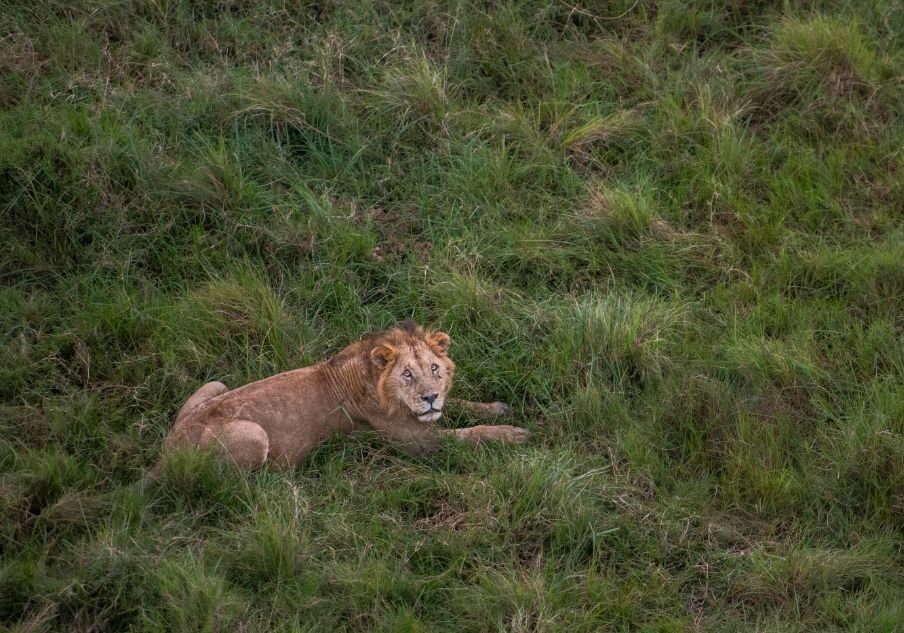
Located in Kenya’s southwest, the Masai Mara National Reserve spans 1,510 square kilometers of open plains, vachellia – dotted hills and the winding Mara River. It is home to more than two million wildebeests, zebra and gazelles during the Great Migration, and a year – round congregation of predators and prey. Often, elephants, lions, giraffes, and cheetahs are seen.
In the Mara River, hippos wallow while crocodiles keep to the shallows, waiting. With over 500 bird species and endless moments of stillness and surprise, the Mara River isn’t just a destination, it nature in motion.
The Masai Mara National Reserve is found in the Great Rift Valley, bordering Serengeti National Park and together they form the oldest ecosystem in the world – hosting Africa’s best known wonder – the annual Great Wildebeest Migration. The area gets its name from the Maasai people.
Climate in Masai Mara National Reserve
Masai Mara National Reserve has a cold season from June to November with average temperatures of 20°C during the day, and during the night it can get cold during this season, so it is best to bring a sweater. Mid-October to November is the short rainy season, after which temperatures rise up to 30°C during the day from December to April and May come with showers again as this is the long rainy season. Normally it doesn’t rain throughout the day as one sees sunny mornings with rain clouds building up towards the afternoons and evenings.
Facts About the Masai Mara National Reserve
- Size of 1,510 square kilometers
- Established in 1961
- Got its name from the famous Maasai people
- Home of the Big Five
- Great Wildebeest Migration crosses the Mara River here.
Wildlife in Masai Mara National Reserve
Masai Mara National Reserve is home to more 95 mammal species. from the Great Wildebeest Migration to the Big Five. Most common animals in the Masai Mara include the Big Five – elephant, lion, leopard, rhino, impala and antelope, cheetahs, serval, hyenas, bat – eared fox, crocodiles, baboons, warthogs, topis, elands, Thomson and Grant’s Gazelles, water and reed buck among others.
Birds of Masai Mara National Reserve
Masai Mara is a bird watcher’s paradise with over 470 bird species including 47 species of birds of preys. Birds in Masai Mara include Abdim’s Stork, African finfoot, African wood owl, Ayres’s hawk eagle, Cinnamon-breasted bunting, Denham’s bustard, Giant kingfisher, Grey-crested helmet-shrike, Grey penduline tit, Hildebrandt’s starling, Jackson’s widowbird, Lazy cisticola, Ostrich, Purple grenadier, Red-throated tit, Ross’s turaco, Rosy-throated longclaw, Rufous-bellied heron, Rufous-throated wryneck, Saddle-billed stork, Schalow’s turaco, Secretary bird, Silverbird, Southern ground hornbill, Swahili sparrow, Tabora cisticola, Temminck’s courser, Trilling cisticola, Usambiro barbet, White-bellied go-away bird, Woolly-necked stork, Yellow-mantled widowbird and Yellow-throated sandgrouse among others
The Great Wildebeest Migration
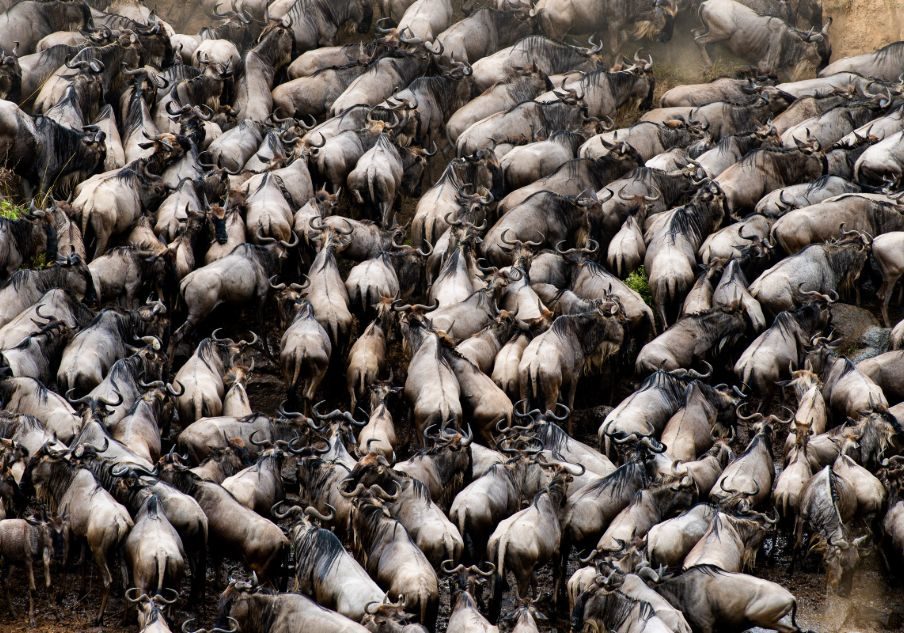
Every year from mid-July to mid-October, over 2.5 million animals enter Masai Mara with river crossing at Mara River from the Serengeti National Park. This annual migration involves over 2.5 million animals that is wildebeests, zebras, Grant’s and Thomson Gazelles. Together they cross the dangerous Mara River in massive herds in order to find fresh grass on the other side. Crocodiles always wait in the water – threatening for the animals and thrilling for you the traveler.
The Masai Mara Triangle
The Mara Triangle is a special area of the Masai Mara National Reserve, managed by a non – profit conservancy formed by the local Maasai communities. With the Mara River running through the triangle, it is also one of the best destinations in the world to spot wildlife.
Here you have an excellent chance to see animals including the Big Five – lion, leopard, rhino, elephant and buffalo. And with a bit of luck you can see cheetahs, servals, hyenas, bat – eared foxes, and black – backed or side – striped jackals. Also, the Mara Triangle is home to hippos, crocodiles, baboons, warthogs, topis, elands, Thomson’s and Grant’s gazelles, impalas, waterbucks, oribis, reed-bucks, zebras and many more.
Safari Activities in the Masai Mara National Reserve
- Game Viewing
- Night Game Drives
- Visit Maasai Cultural Village
The Maasai people have lived in this region since they migration from the Nile Basin centuries ago. The reserve’s name Mara means “Spotted” in Maa language and refers to the region’s landscape which is marked by many short bushy trees scattered all over the outstretched savannah. On your visit to the Maasai Village, you will be entertained by local dances and drama, interact with the elders, taste some local dishes and take part in livestock herding – getting you more familiar with the Maasai lifestyle.
- Hot Air Balloon Safaris
Best time to visit Masai Mara National Reserve
Between mid-July and mid-October is the recommended time to visit Masai Mara which is during the Great Wildebeest Migration. However, even the other dry months of the year (June to October and December to March) are good for a visit to Masai Mara as you can also get excellent sightings of the Big Five and many other animals here.
Getting to Masai Mara National Reserve
The Masai Mara is a 260 kilometer drive from Nairobi, which will take you five to six hours. It is also possible to fly to Masai Mara from Wilson Airport in Nairobi, it is a flight of only 45 minutes. There are several airstrips which are serving different areas of the Masai Mara.