The Complete Guide to a Masai Mara Safari
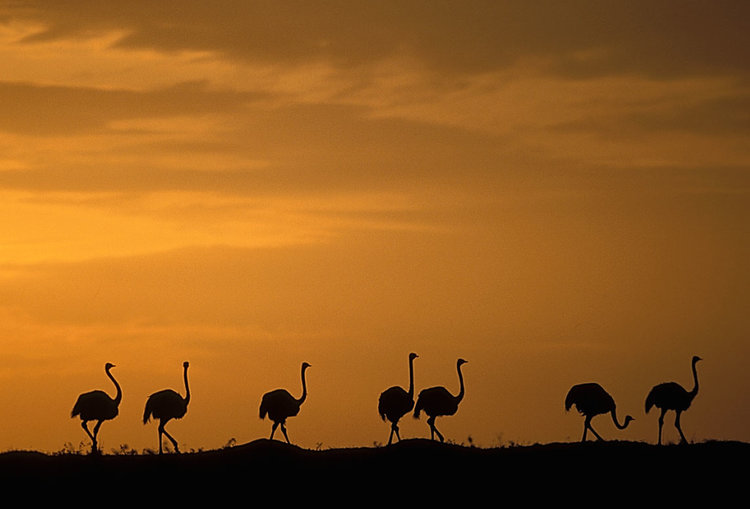
Masai Mara National Reserve also known as The Mara is probably the most famous wildlife reserve in Africa, the reserve is synonymous with a diverse abundance of wildlife scattered across rolling grasslands punctuated with flat-topped acacias as well rocky outcrops known as the kopjes.
Masai Mara is the most visited wildlife destinations in Kenya attracting over 200,000 visitors per year. Within the reserve, there are several amazing safari experiences visitors to do such as game drives, guided nature walks and balloon safaris. The highest number of visitors in Masai Mara occurs between June and October, although the reserve is open year round.
The reserve’s name “Mara” means “spotted” in the Maa language, which is spoken by the Maasai people – the area’s ancestral residents. It refers to how Masai Mara National Reserve is dotted with acacia trees, indentations and craters when looked at from a far.
Location & Habitat of Masai Mara
Masai Mara lies along the Great Rift Valley in southwest Kenya, bordering Tanzania’s Serengeti National Park. The reserve covers 1510 sq km (580 sq miles) and it sits between 1500 – 2170 metres above sea level.
Masai Mara’s predominant habitats are grasslands and acacia woodlands bisected by seasonal streams. There are occasional rocky outcrops surrounded by dense thickets, Mara, Sand and Talek Rivers are the two main rivers that bisect the reserve. Its wide open plains provide a sanctuary for an abundance of wildlife including the Big Five (lion, leopards, elephants, buffaloes and rhinos), zebras, giraffes, hyenas and cheetahs among others.
The Mara River provides the chief obstacle for the wildebeest herds to cross the along the annual journey, the river is a location to watch the Wildebeest River Crossing.
Things To Do on a Masai Mara Safari
Game Viewing Safaris
Masai Mara National Reserve is a wildlife haven blessed with a year – round, rather mind- boggling concentration of wildlife. When it comes to game viewing, the Mara doesn’t disappoint.
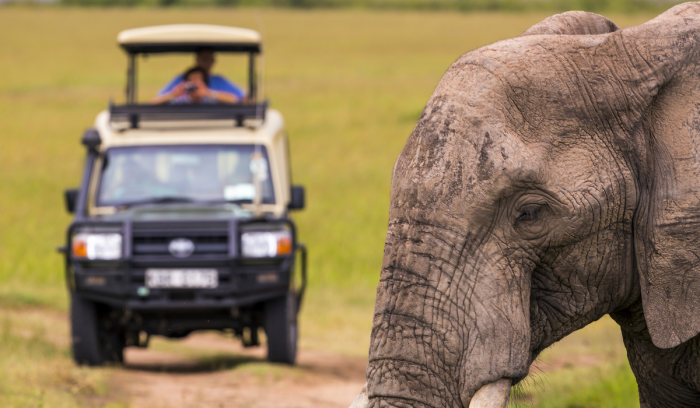
Embark on morning and afternoon game drives or full day game drives with expert guides who will uncover wonders of the Mara, all while reconnecting with the ancient and most unforgettable Maasai land. Some of the animals to lookout for include lions, leopards, cape buffalos, gazelles, zebras, cheetahs and elephants among others.
Take to the skies in a hot air balloon
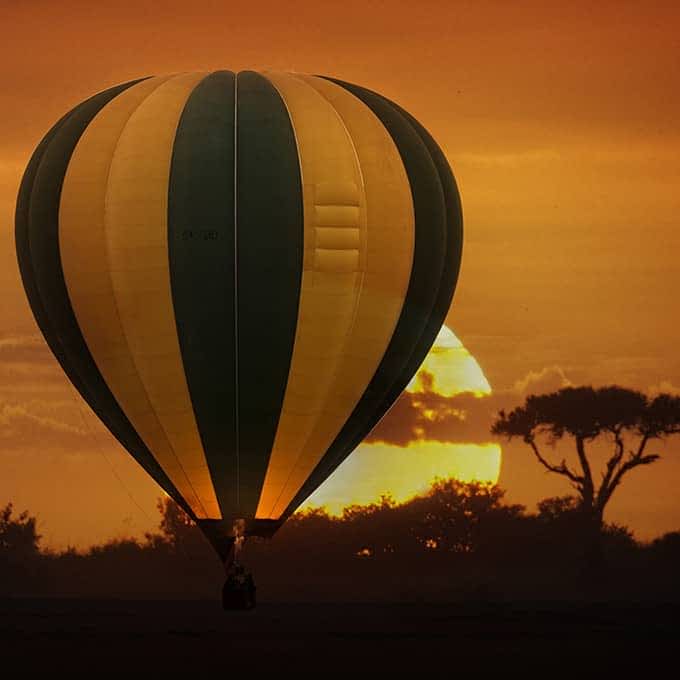
Wake up early before dawn and embark on a life changing hot air balloon safari high above the mighty Mara Plains. Soar peacefully and enjoy the magnificent bird’s eye view of all the animals below (and the Great Migration if you are lucky). This extraordinary experience concludes with an unforgettable, hearty champagne breakfast in the middle of the Mara.
Horseback Riding
Like explorers in old times, horseback riding in Masai Mara is a truly unique way to experience the Mara. Once again without the hum of the safari vehicle, it is an invigorating way to explore the vast landscapes. Imagine galloping past dazzles of zebras, journeys of giraffes and if the time is right, the might herds of the Great Migration.
Cultural Encounters in Maasai Village
No Masai Mara safari journey would be complete without an authentic cultural experience that gets you up close and personal with the fascinating Maasai people. This cultural visit invites you into their humble mud and stick manyattas (homestads) and reveal their pastoral world and ancient, time – honored traditions.
Cost of A Masai Mara Safari
The cost of a Masai Mara Safari will depend on many factors including your time of travel, the type of accommodation (Luxury, Midrange and Budget), activities you intend to do and number of people sharing and whether or not you go private and exclusive.
However, we can provide approximate costs for a safari in the Masai Mara. The following estimates are based on a price-per-person-per night, including accommodation and transfers.
| 4-star comfort | 4-star luxury | 5-star luxury | |||
| Low | High | Low | High | Low | High |
| $300 – $400 | $350 – $550 | $500 – $550 | $650 – $750 | $900 – $950 | $1000 – $1300 |
When to Go on a Masai Mara Safari
Masai Mara offers incredible game viewing year-round, however the best time to visit Masai Mara for a safari greatly depends on what you want; wildebeest migration or get a wilderness feel. Your interests will guide you through the seasons as below
- Peak Season (Mid-June to September) – this period is a dry season marking the peak season in Masai Mara, coinciding with the popular wildebeest migration. Witnessing millions of wildebeests can be captivating as it draws a significant amount of tourists to the area. Since it is a peak season with millions of visitors on a safari in the reserve, booking your accommodation as well as special safari activities like balloon safari in advance is advised.
- High Season (October to February) – These months are the high season in the Mara offering abundant wildlife and steady flow of visitors.
- Low Season (March to May) – These months marks the low season in Masai Mara National Reserve and it is the time of the year with most rainfall, so prepare to get stuck in the mud. However, for a reliant adventure, their period presents and excellent opportunity to explore the Masai Mara with good wildlife viewing and fewer crowds. Also most of the lodges and camps in Masai Mara offered reduced rates.
How to Get to Masai Mara
The most convenient access to get to Masai Mara for a safari is flying to Jomo Kenyatta International Airport (NBO), followed by a road transfer or domestic flight. By road, it is a drive of 4-5 hours from Nairobi to the nearest gate (Sekenani Gate).
By Air – scheduled flights offered by Airkenya and other domestic airlines are available from Wilson Airport to various airstrips within the reserve.
Health and Safari on a Masai Mara Safari
Kenya is a safe destination to visit with thousands of travelers visiting every month. For travelers on a Masai Mara Safari, here are our top tips for health and safety.
Before Your Safari
Consult with your travel doctor/clinic about necessary vaccinations well in advance and check about taking the right prophylactic for malaria. Although the risk of Malaria is low during the Green Season (November to April) and very low during peak season (July to October), the risk is higher if intend to visit rural villages outside the Masai Mara National Reserve.
During Your Safari
- Always stay hydrated, wear sunscreen and a good hat – even in winter
- Listen to the professionals, always heed your guide’s warnings and instructions as they know best and are there to keep you safe in the wilderness of Masai Mara
- Don’t have late nights in your camp or lodge’s bar. Wake-up calls for game drives are early and you don’t want to miss out on having a supreme safari experience.
- Always walk your tent or safari lodge with a guide or escort at night, even if your lodge is fenced.
- Don’t keep food in your tent or rooms, you might get an unwanted visit in the middle of the night
Money & Spending
- The Kenyan Shilling is the national currency in Kenya but US Dollars are widely accepted. Your Go Explorer Safari Expert prefers to create an all-inclusive itinerary for you, meaning that extras like balloon rides and guided walks are included and you need only take cash (preferably in US Dollars) for sundry purchases.
- Major credit cards are accepted in Nairobi and the bigger lodges.
- Tipping for good service is customary in Kenya, although it’s entirely at your discretion. A 10% tip is the norm when a service charge is not included in your bill.
How Long to spend on a Masai Mara Safari
The minimum number of nights to spend in Masai Mara for an immersive experience is 2 nights, especially if driving in. if you are short of time, you could fly-in for a night or even a day, but it will be a pretty long, rushed and tiring day.
Where to stay on a Masai Mara Safari
Masai Mara and its conservancies have countless accommodation options, from high-suspended designer lodges to family oriented tented camps.
Note: accommodations inside Masai Mara and its conservancies tend to be more remote and situated in the middle of the action.
- Accommodations inside the Masai Mara include Basecamp, Sarova Mara Tented Camp, Keekorok Lodge, Sand River Campsites among others.
- Accommodations inside the Private Conservancies include Lerai Safari Camp, Eagle View, Porini Busg Camp, Eagle View, Porini Bush Camp, Mara Bushtops and Cottars 1920.
- Accommodations outside the Masai Mara include Kobi Farm, Maasai Village Homestay, Kimana Camp, AA Lodge, Talek Bush Camp, Greenwood Safari Camp, Zebra Plains Mara Camp, Angama Mara Camp, Kilima Camp among others.
