Gorilla Trekking in Africa: The Complete Guide
There is no wildlife encounter on Earth quite like standing a few meters from a wild mountain gorilla. The forest goes quiet, a 200-kilogram silverback glances up from his breakfast of bamboo shoots, and for one held breath, two species size each other up. It is this moment — equal parts thrilling and humbling — that draws tens of thousands of travelers to the misty volcanic forests of East and Central Africa every year.
Mountain gorilla trekking is only possible in three countries: Rwanda, Uganda, and the Democratic Republic of Congo (DRC). Together they form the last refuge of a species that numbered barely 250 individuals in the 1980s and has since rebounded to roughly 1,000, almost entirely due to the tourism revenue and protection that trekking programs fund.
Where the Gorillas Live
Mountain gorillas survive in two isolated populations straddling the borders of these three countries, within the Virunga Massif and the Bwindi-Sarambwe ecosystem.
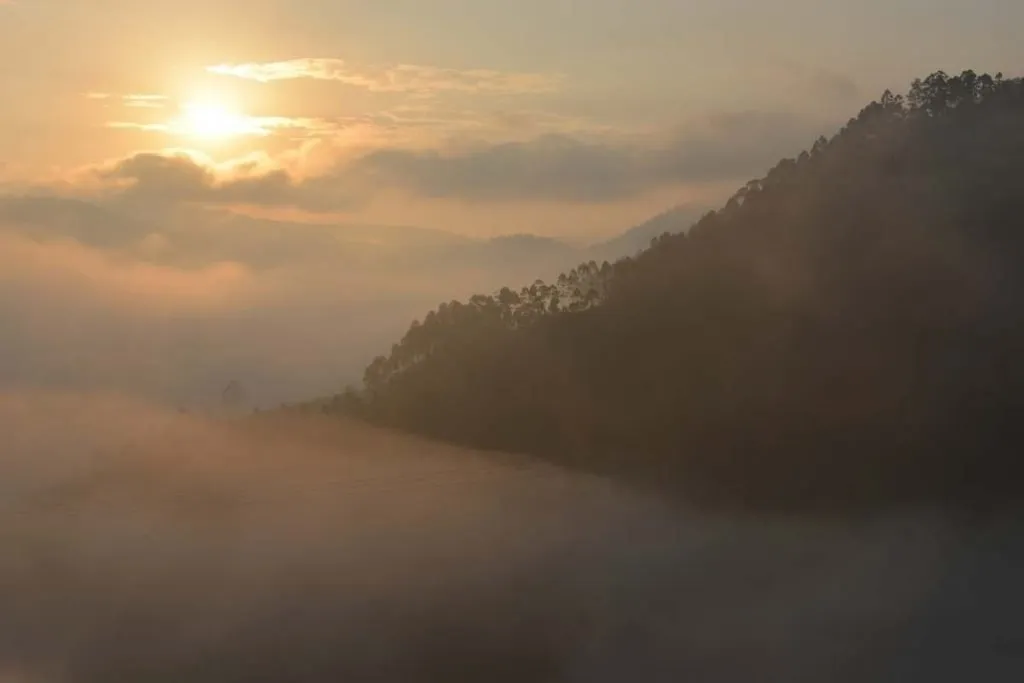
Rwanda – Volcanoes National Park. Tucked into the northwest of the country roughly two to three hours from Kigali, Volcanoes National Park sits within the Virunga Mountains, a chain of dormant volcanoes draped in bamboo forest and cloud. It covers about 160 square kilometers of dramatic volcanic landscape, lush bamboo forests, and mist-covered hills, and lies within a transboundary conservation area extending into Uganda and the DRC. Twelve habituated gorilla families are open to tourists here.
Uganda – Bwindi Impenetrable and Mgahinga National Parks. Bwindi, in southwestern Uganda, is older and denser forest than Volcanoes — its name is not an exaggeration. Reaching it from Kampala or Entebbe takes about 8–9 hours by road, though domestic flights cut that down considerably. Mgahinga, Uganda’s slice of the Virunga range, offers a smaller, quieter alternative.
DRC – Virunga and Kahuzi-Biega National Parks. Virunga is Africa’s oldest national park and home to mountain gorillas, but it has been closed to tourism since March 2020, initially due to COVID-19, and has yet to reopen because of ongoing security issues unlikely to resolve soon. Kahuzi-Biega remains operational, though it hosts eastern lowland gorillas rather than mountain gorillas, and travelers should weigh the DRC’s relatively higher security risk against the savings.
What a Trek Actually Involves
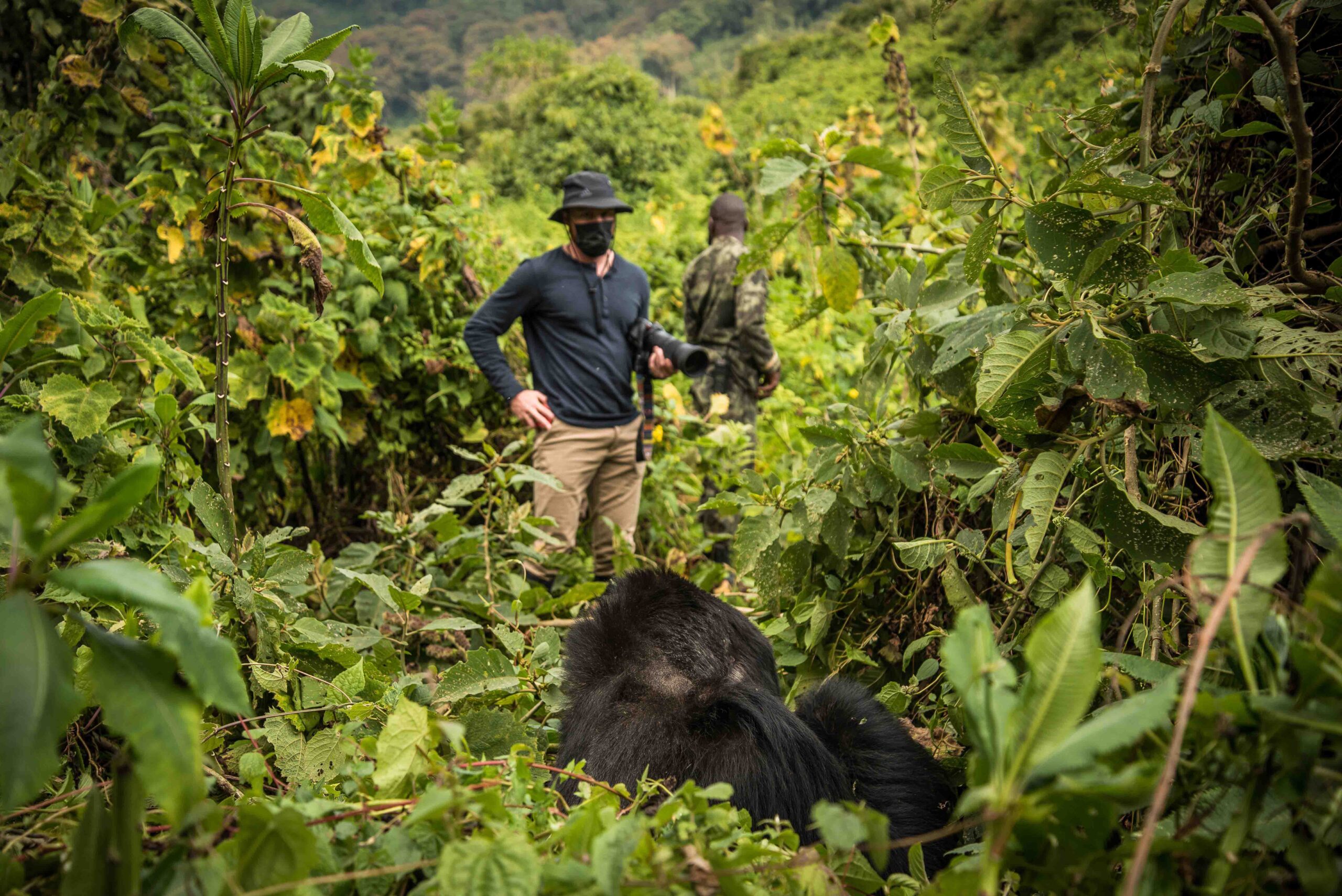
The structure is broadly similar across all three countries. The day begins early with a briefing at park headquarters, where rangers assign visitors to a specific gorilla family based on fitness level. Trekking groups are capped — Rwanda issues eight permits daily for each of its twelve tourist-accessible gorilla families, and a similar cap of eight visitors per family applies in Uganda. Armed guides and trackers — who often locate the gorillas’ overnight nesting sites before dawn — lead the hike into the forest.
The hike itself is the wildcard. Trek duration in Rwanda varies from one to six hours depending on the gorillas’ movement that day, and Uganda’s terrain can push that range even further, with treks lasting two to seven hours through steeper, denser forest. Rwanda’s open volcanic slopes tend to make for an easier climb than Bwindi’s tangled undergrowth, though “easier” is relative — this is still high-altitude hiking on uneven, often muddy ground.
Once the family is found, the reward is brief but unforgettable: a strictly enforced maximum of one hour with the gorillas, watching them feed, groom, play, and tend to their young at extraordinarily close range. Photography without flash is permitted; touching the gorillas is not.
A minimum age requirement of 15 is enforced across all three countries by mutual agreement, and there’s no upper age limit, though anyone with mobility concerns should think carefully about the physical demands involved.
What It Costs
Permit pricing is where the three countries diverge sharply, and it’s usually the deciding factor for travelers choosing a destination.
Rwanda charges the most by a wide margin: a fixed $1,500 USD per person throughout 2026, with no seasonal discounts. That premium buys convenience — Volcanoes National Park is reachable from Kigali in about two to three hours on good roads — alongside a polished network of luxury lodges and gentler terrain. Travelers who pair gorilla trekking with at least two nights across Nyungwe and Akagera National Parks between November and May can receive a 30% discount on the permit.
Uganda is the mid-tier option: $800 USD for foreign non-residents in 2026, dropping to $600 during the low-season months of April, May, and November. Uganda also offers a longer “habituation experience” permit — priced around $1,500 — that grants four hours with a gorilla family still being acclimated to human presence, rather than the standard one hour.
DRC is the budget route: permits run around $400 USD in peak season and as low as $200 in the off-peak months for Virunga (when open) and similarly for Kahuzi-Biega’s lowland gorillas. The savings come with real trade-offs in security and logistics that shouldn’t be underestimated.
It’s worth remembering that the permit is only one line item. Transport, lodging, meals, porter fees, and guide tips are all separate, and the permit itself does not cover any of them — nor is it refundable if you cancel or simply fail to show up.

Why the Gorillas Are Worth the Premium
The steep cost of these permits isn’t arbitrary. Roughly 75% of permit revenue goes directly into gorilla conservation, with 10% supporting local communities and 15% going to government coffers for ranger patrols, veterinary care, anti-poaching operations, and habitat protection. Rwanda in particular has built its entire tourism model around scarcity: by deliberately capping visitor numbers and charging a premium, the country limits human pressure on a fragile population while generating outsized revenue per visitor.
It’s a strategy that mirrors a broader truth about mountain gorillas: they are one of the only great ape species whose population trend is currently rising, and tourism dollars are the primary reason why.
Choosing the Right Country for You
If budget is the main constraint, Uganda offers the most balanced value — meaningfully cheaper than Rwanda without sacrificing the quality of the encounter, even if the trek itself tends to be longer and more physically demanding. If convenience, luxury lodging, and ease of access from a capital city matter most, Rwanda’s shorter drive times and gentler terrain justify its price tag for many travelers. DRC suits the more adventurous and security-conscious budget traveler willing to navigate a more complex, less developed tourism infrastructure.
Whichever country you choose, the constants are the same: book your permit months in advance, especially for the June–to–September and December–to–February peak seasons, pack for unpredictable rain and steep, muddy trails, and prepare for an hour that, by nearly every traveler’s account, is over too soon.
