How Much Does a Uganda Safari Cost?
Unlike other conventional African safari like Tanzania, Kenya, Botswana or Zambia, Uganda is relatively affordable and the cost for your Uganda safari can vary depending on your travel style, how long you want your Uganda safari to be, the activities you want to do among others.
Uganda Safaris Costs (USD per person per day)
Our costings table below is gives an overview of how much the average Uganda safari will cost, depending on your travel style. The table allows you to quickly match your daily budget to the kind of Uganda safari you can afford. There is one serious impact on Uganda safari budget, the endangered mountain gorilla. If you want to see Uganda’s most iconic resident, then you need to budget US$ 800 for the gorilla permit alone.
Travelling during the low seasons (October to November and March to May) will help reduce the costs of your Uganda safari.
| Comfort Level | Private (USD per day) | Group (USD per day) |
| Budget Camping | $350 | $300 |
| Budget Accommodations | $375 | $325 |
| Mid-range Accommodations | $475 | $425 |
| Luxury Accommodations | $750 | $700 |
| Luxury Plus Accommodations | $1,050+ | n/a |
Rates are in US$ unless otherwise indicated.
Rates exclude additional costs, such as international flights, tips and personal items.

Additional Costs Explained
Below are the additional Uganda costs, some are obvious and some less, so that you might need to add into your overall budget.
International Flights
There are relatively few direct international flights to Uganda from outside Africa, it is often cheaper to route through Nairobi (Kenya) or Addis Ababa (Ethiopia), which are the two main regional air hubs and have good global connections.
Visa Costs
Most nationalities need a visa to enter Uganda. A single- entry visa in Uganda costs US$ 50 and if you are traveling to Kenya or Rwanda (Tanzania is not included in this visa) get an East Africa Tourist Visa costing US$ 100.
Accommodations
Safari accommodations in Uganda are generally a little cheaper than in neighboring Tanzania and Kenya. Often, a couple of hundred US Dollars will get you a very pleasant place to stay.
Prices are higher around parks that offer gorilla trekking adventure.
Vaccinations
All visitors are required to have a yellow-fever vaccination for entry into Uganda. The steamy climate means that mosquitoes are common and it is wise to take precautions against malaria.
Tips
Tipping is expected in better-quality hotels, safari lodges and camps. Guides and drivers also expect to be tipped. Bring a couple of hundred US dollars in smaller bills to cover tips. As per the tipping regulations, US$ 15 per person per day.
Travel Insurance
Standard travel insurance is fine for most safari activities, including gorilla trekking. If you are heading up to the remote, little-visited far north, where there have been security issues in the park, check that your insurance is valid for that region.

10 Factors Influencing the Cost of a Uganda Safari
The general cost of a Uganda safari is influenced by a number of factors. The most important are the time of year you will be traveling, the parks and reserves you plan to visit, and how exclusive you are prepared to go.
-
Length of stay
If you are traveling on a fully packaged Uganda Safari using the same tour operator for everything, then the pre-day price does tend to drop slightly the longer you spend on safari. Otherwise, if you are putting together your own itinerary the per-day costs don’t change much whether you spend a weekend or a month in the country.
Hiring a 4×4 vehicle and driver is always cheaper per day if you hire it for a longer period.
-
Level of comfort of accommodations
The more comfort you require, the more a Uganda safari will cost. Compared to Tanzania, for example, Ugandan safari accommodations are surprisingly good value. You can get a double room at a decent mid-range safari lodge or camp for US$200.

-
Location of accommodations
Safari lodges and camps (accommodations) in Uganda are generally split between those found within the protected areas or those that are little further away. The later are normally cheaper.
The regions surrounding Ugandan protected areas tend to be more developed than in much of Kenya and Tanzania. Often there are towns and villages not far from the main entrances to the Uganda’s national parks. Many of these have fairly cheap places to stay. Accommodation close to national parks (Bwindi Forest and Mgahinga) that offer gorilla trekking are almost always more expensive than similar places elsewhere.
-
Group size
Traveling on an organized group tour can be cheaper than going on a safari alone. Especially of it is organized through a local Uganda operator rather than an internationally based company. One aspect that never changes whether you are traveling solo or in a big group, is park entry fees, which are always per person. As an add-on to your organized safari, and for a different experience for the more adventurous, you could try and create your own small group to travel with, hire a vehicle and driver and explore the country at your leisure. This will give you a sense of independence and flexibility.
-
When you want to go
Uganda experiences that same weather pattern as other East Africa countries with two rainy season between March and May and October to November. However, unlike Tanzania and Kenya, serval of Uganda’s most famous national parks are rainforest parks, and rain of varying quantities can be expected year-round. If you can deal with muddy walking trails and slippery roads, then the start and end of the rainy season can be reasonable times to visit with overall lower costs.
The July to August and December to February high seasons are the busiest and most expensive times to visit.
-
How you get around
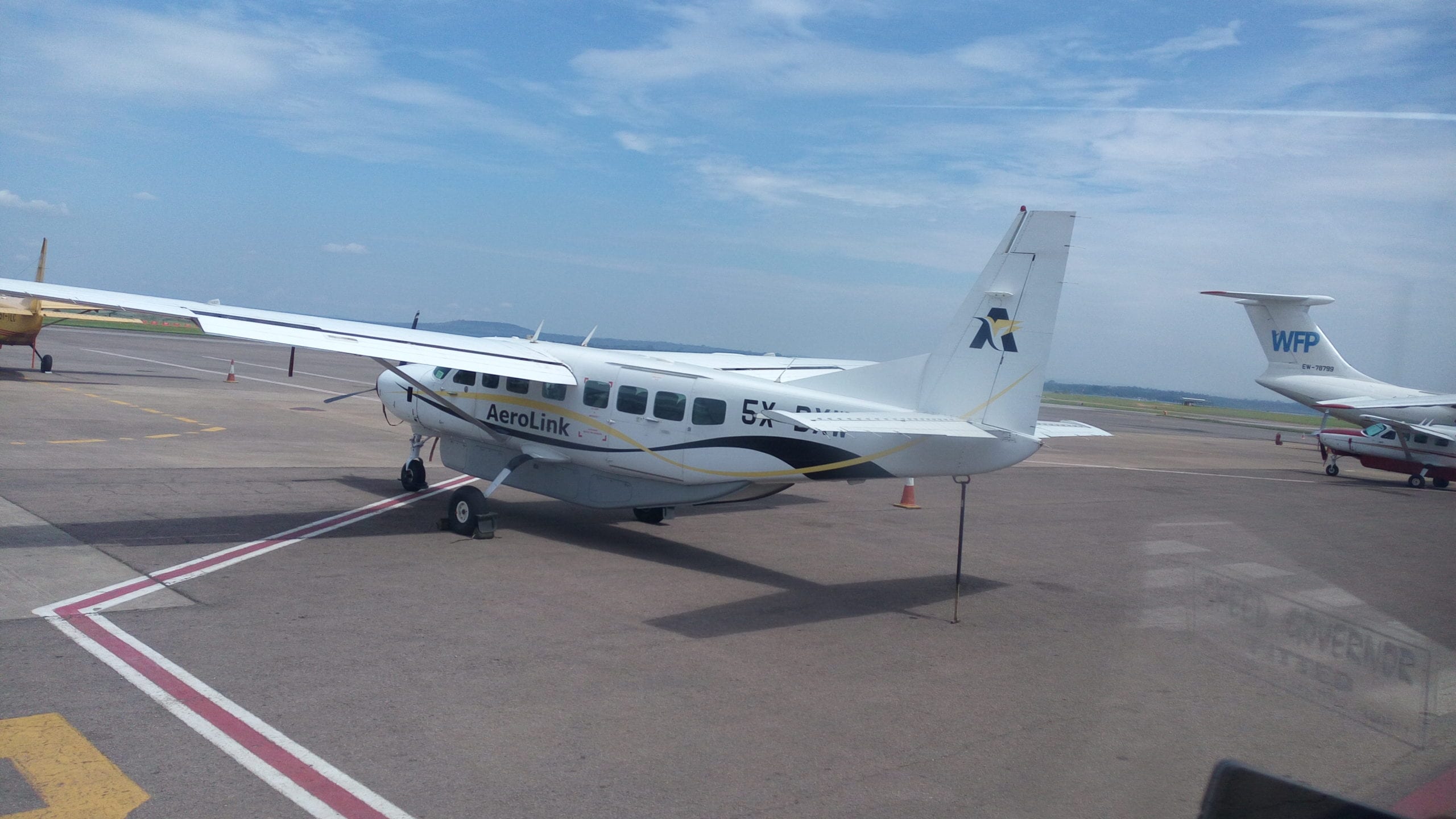
The easiest way of getting around is by air, but it is the most expensive. Several domestic flights like AeroLink uses small planes to connect the major national parks. But even the shortest hop is unlikely to cost much less than US$300 per person.
Uganda’s small size and the close proximity of many of the parks mean that rather than flying, many people hire 4×4 vehicle and driver (from US$ 130 per day). This probably the best way to get around as it allows greater flexibility and the chance to see more of this stunning country than just the parks and reserves.
-
Where you want to go
Hiking through the emerald forests to see habituated gorillas is simply the most intense wildlife experience the world can offer. But you pay for the honor and rare experience. Gorilla permits cost US$800 per person (you spend one hour with the gorillas). Chimpanzee permits cost US$ 300 at Kibale Forest National Park (the best place to see chimpanzees). For a cheaper option to see the chimpanzees in Uganda, visit Kyambura Gorge, Budongo Forest and Kalinzu Forest Reserve (costing between US$100 and US$120). With all aspects of a gorilla safari being expensive. The best way of keep Uganda safari costs down is by not seeing gorillas at all. Uganda has many other protected areas full of beautiful wildlife that can be visited for much less.
-
Add-on
There are several activities to add-on your Uganda safari including white-water rafting experience in Jinja – a city on Lake Victoria at the source of the Nile, a trek in the Rwenzori Mountains are activities gaining popularity, but each will add a chuck of money to your budget. Much cheaper is a few days chilling on the shores of the beautiful Lake Bunyonyi, this island – studded lake with lots of good-value accommodations.
-
Extensions
A short safari to Kenya or Tanzania is a popular add-on to a Uganda safari and is especially easy to organize if you fly via Nairobi. This will add quite considerably to overall cost though.
-
Specialized interests
A special – interest safari in Uganda is most likely to be one focused exclusively on primates or birds. Uganda is quite probably the single best safari destination in Africa for those interested in communing with chimpanzees, gorillas and smaller monkeys, but the cost of gorilla and chimpanzee permits is high, which means such as a safari is going to cost a lot. A safari focused on bird watching will cost more for a specialized guide, but otherwise is likely cheaper overall due to the likelihood of visiting lesser known parks and reserves.
In conclusion: the cost of a Uganda safari is determine by factors including the mode of transportation, choice of activities/Uganda experiences, and how long your safaris is to be among other factors as listed and explained above.