Though Masai Mara National Reserve is the focal point of the Great Mara Ecosystem, a number of conservancies were established on the unfenced borders of the main reserve in the last decade. These conservancies are established on private land owned by Maasai families that has been set aside for wildlife conservation and tourism.
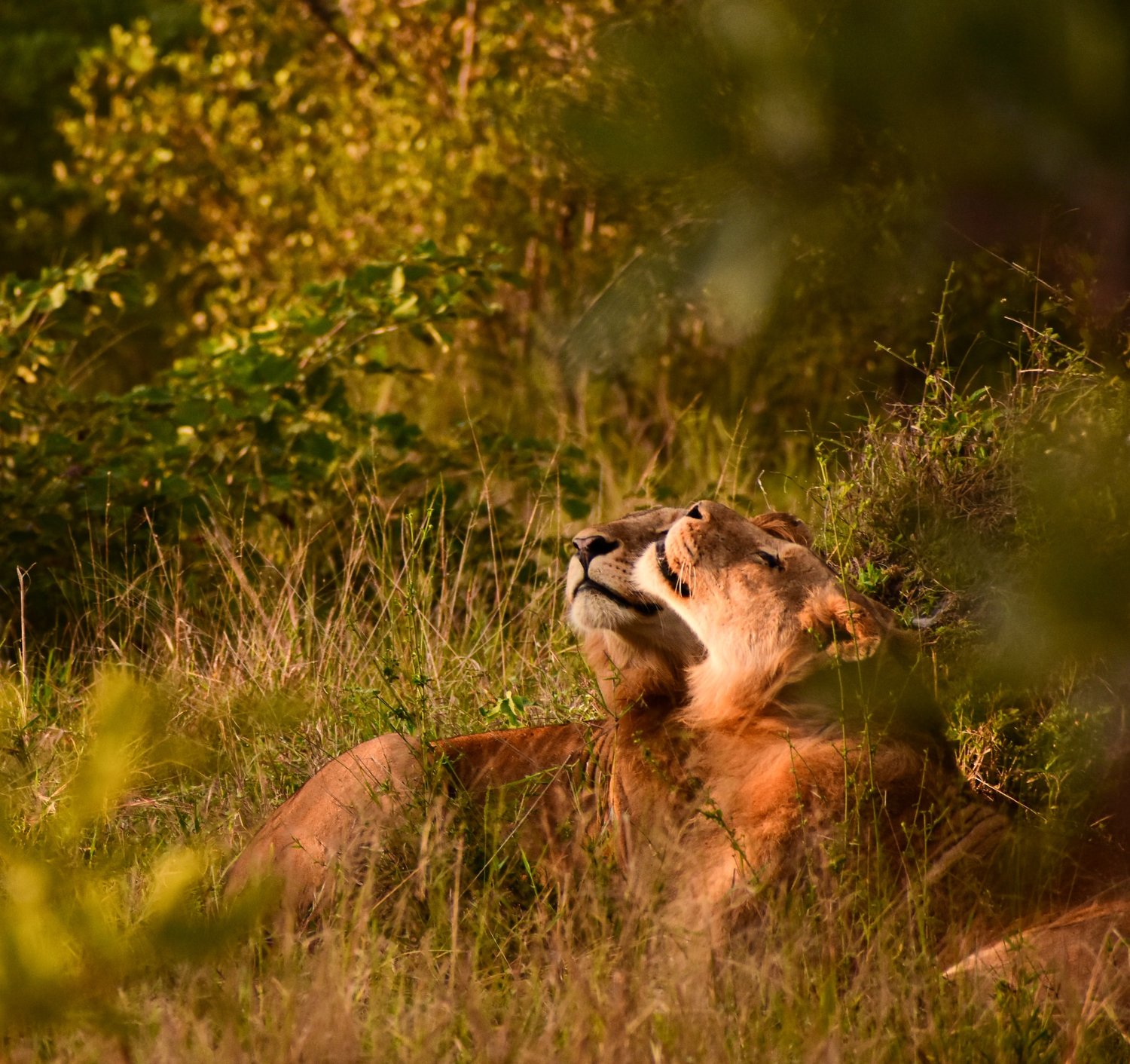
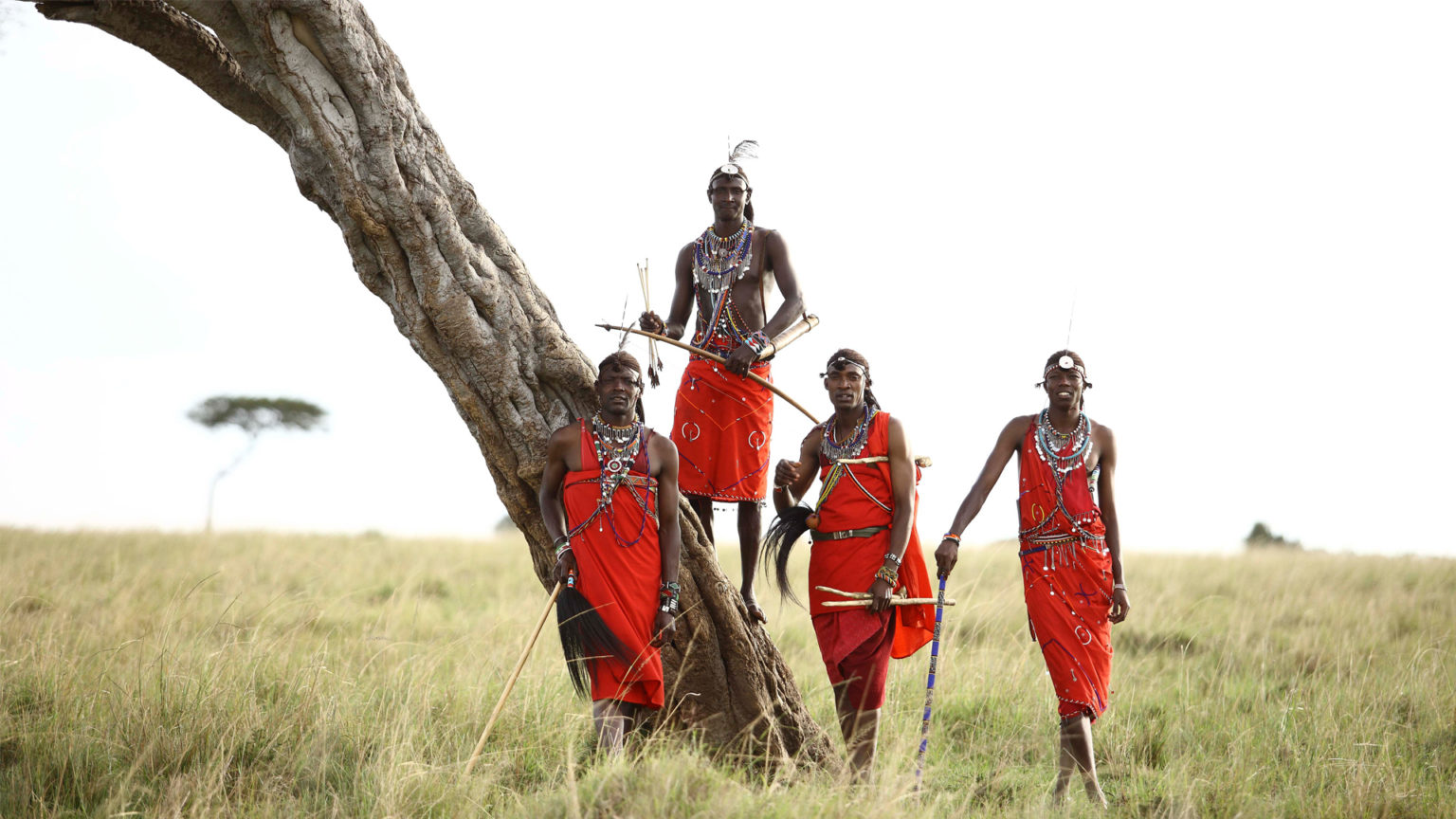
The Maasai landowners lease their land to safari and loge companies, who pay monthly fees, which goes back into the community, funding education and other development projects and initiatives. Still, the Maasai are allowed to graze their livestock on the land, but only under strictly controlled conditions
The establishment of the Masai Mara conservancies has had a positive impact on the Maasai communities, they have benefited from economic upliftment, while wildlife population has increased as land that was once overgrazed is now being rehabilitated as wilderness.
Exploring The Masai Mara
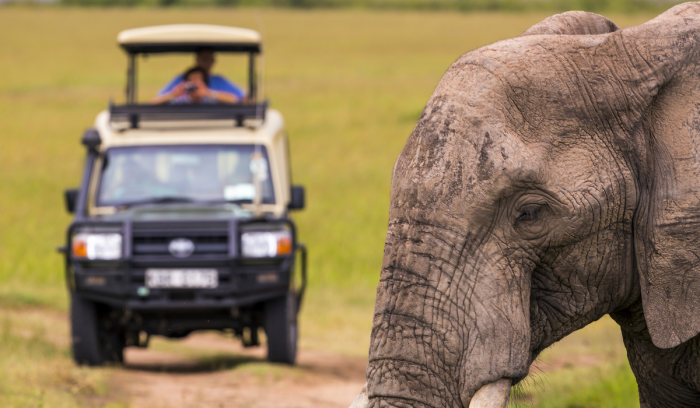
For people wanting a low tourist density Masai Mara safari experience, Mara conservancies are the best option as most of the concessions only have a few camps and don’t allow self-driving, so there is a limit to how many vehicles will be at sightings.
The added bonus of staying in a conservancy is doing the activities that are not allowed in the national reserve, including bush dinners, night drives, off-road driving, and walking safaris, which are all fantastic ways to experience the wilderness and animals.
On walking safaris in the bush, Maasai guides will track animals and teach you about the ecosystem, it’s fascinating animal, bird, and insect life and the medicinal and cultural uses of plants.
The conservancies covering an area of land almost the same sizes as the national reserve itself, are concentrated around the northern end of the reserve. Also, they lie to the east of the Masai Mara in more remote locations.
By staying in a Maasai – owned conservancy, you not only experience the luxury of exclusive wildlife viewing but also contribute to community conservation, improving the lives of local communities and helping wildlife numbers to increase.
List of Masai Mara Conservancies
-
Mara North Conservancy
Situated on the northwestern edge of the Masai Mara National Reserve, the 74,000 – acre Mara North Conservancy is one of the best concessions to visit for its abundant wildlife, quintessential savannah landscapes, and commitment to community conservation.
Projects here work towards rehabilitating overgrazed land and natural habitats and support the management of grazing areas.
Game viewing is excellent, the big cat sightings and the dramatic herds of the Great Migration are particular highlights. Out of all the Masai Mara conservancies, it has the greatest number of camps – ten in total, but there is still a lot of space and privacy with nearly 700 acres per tent.
-
Mara Naboisho Conservancy
Mara Naboisho Conservancy is one of the famous conservancies in Masai Mara Ecosystem and it is easy to see why, this 50,000 acre conservancy is situated in the north of the Masai Ecosystem. It has only seven camps (877 acres per tent), so there is plenty of wilderness without other cars, and the environmental impact is limited.
Here, the concentration of wildlife is high, with abundant big cats and herds of wildebeest, elephants and giraffes. Also, it ticks all the boxes for successful community conservation.
Mara Naboisho Conservancy was established when more than 500 Masai land-owning families decided to put their land in a pool to allow for wildlife movement. Now, the Maasai practice controlled grazing to allow the land to recover from intensive herding.
-
Enonkishu Conservancy
The 6000 acre – Enonkishu Conservancy is focused on improving cattle management so that the ecosystem and wildlife can regenerate and local communities have sustainable income from grazing and conservation fees.
The conservancy is situated at the northern end of the Greater Mara Ecosystem, wildlife to spot include plenty of plains game, giraffes, buffalo, elephants and a pride of lions that live on the edge of the conservancy.
Lodging in Enonkishu Conservancy is offered on an estate that has been rewilded from intensive cattle farming.
-
Ol Kinyei Conservancy
For exclusivity and privacy, the Ol Kinyei Conservancy is the best Masai Mara conservancy to visit, this 18700 acres conservancy has only two small camps. These camps also offer game drives in the neighboring Mara Naboisho Conservancy.
It offers super wildlife viewing, with a resident lion prides and leopards, elephants, buffalo, giraffes and more than 300 bird species.
-
Olare Motorogi Conservancy
Olare Motorogi Conservancy is one of the oldest and most successful conservancies in Masai Mara Ecosystem (made up of the former Motorogi and Olare – Orok conservancies). It has been a blueprint for other concessions and community conservation in the Masai Mara.
With large numbers of lions and elephants, Olare Motorogi Conservancy offers exceptional wildlife viewing. The conservancy has one of the highest concentrations of animals and the lowest tourist densities in the Mara.
The conservancy has a 94-bed limit with just one room per 700 acres on its 33,000 acres of riverine forest, valleys and acacia woodland.
-
Olderikesi Conservancy
Situated along the eastern border of the Masai Mara National Reserve close to the Serengeti National Park in Tanzania, the 24,700 acre Olderikesi Conservancy is located in one of the most remote areas in the Masai Mara ecosystems.
Also, it is one of the most exclusive concessions in the ecosystem, as there are only 20 rooms on the entire conservancy – a distribution of one room per 1200 acres.
Olderikesi Conservancy is ideal if you are looking for solitude on your Masai Mara Safari. Also, it is particularly rich in game and is known for fantastic lion, leopard, and cheetah sightings.
-
Mara Siana Conservancy
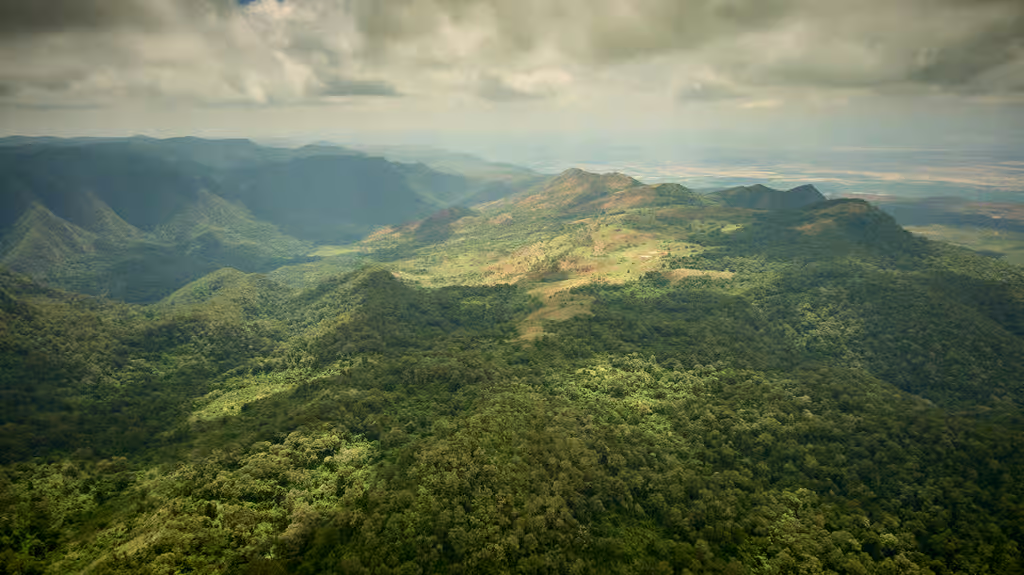
Recently established in 2015 by 1200 landowners, the 7898 acre Mara Siana Conservancy lies some distance from the Masai Mara National Reserve to the east.
If you want to get off the beaten track, this is a good option, as it is more remote than some of the other conservancies and only has two lodging options.
In this secluded valley, there is plenty of wildlife to be spotted, from prides of lions, herds of elephants, cheetahs, buffalo, leopards and occasional black rhino and pack of wild dogs.
-
Loita Hills
Situated in the northeast of the Masai Mara, the less-visited mountain range of Loita Hills is home to Maasai communities and beautiful landscapes of immense plains, thick forests, verdant hills and mountain peaks looming up to 2150m (7054 ft).
While this is not a conservation area, and there is less wildlife than in the conservancies, there is still game to be spotted, from buffalo and bushbuck to colobus monkeys as well as plenty of birds.
However, the main reason to visit Loita Hills is to witness the traditional Maasai culture, visit community projects and experience a walking safari with Maasai guides in an area where few other tourists venture.
There are few options for walking safaris; staying at a base camp and doing day walks into the surrounding area or making a multi-day safari of up to 14 days staying at mobile camps with all your equipment and provisions carried by donkeys.
-
Loita Migration
While almost everyone has herd of the Great Migration, hardly anyone knows about the Loita Migration.
Around May, at the start of the dry season, a smaller movement of hundreds of thousands of wildebeest and other antelope make their way from the Loita Plains (that lie to the north of the Masai Mara National Reserve) southwards into the reserve itself.
The animals move through the Mara Naboisho, Olare Motorogi, and Ol Kinyei conservancies, so if you want to experience this mini version of the migration, book a stay at one of the camps in these concessions of your Masai Mara Safari.
Travel Tips to visit Masai Mara Conservancies
- The peak Great Migration months of August to October are especially busy in the Masai Mara, so be sure to book well in advance for lodging at conservancy camps.
- Keep in mind that many camps in the Masai Mara Conservancies are small and intimate, so they only offer a few tented rooms and get booked up quickly.
- The best and easiest way to access lodges and camps in the conservancies is by flying into conservancies’ airstrips, where the lodge or camp you have booked will have staff waiting to pick you up. Also, you can drive to the conservancies, but remember you are not allowed to self-drive inside the conservancy.
- If you stay in a conservancy, you can take game drives in the Masai Mara National Reserve to see the Mara River crossings during the Great Migration months.
